
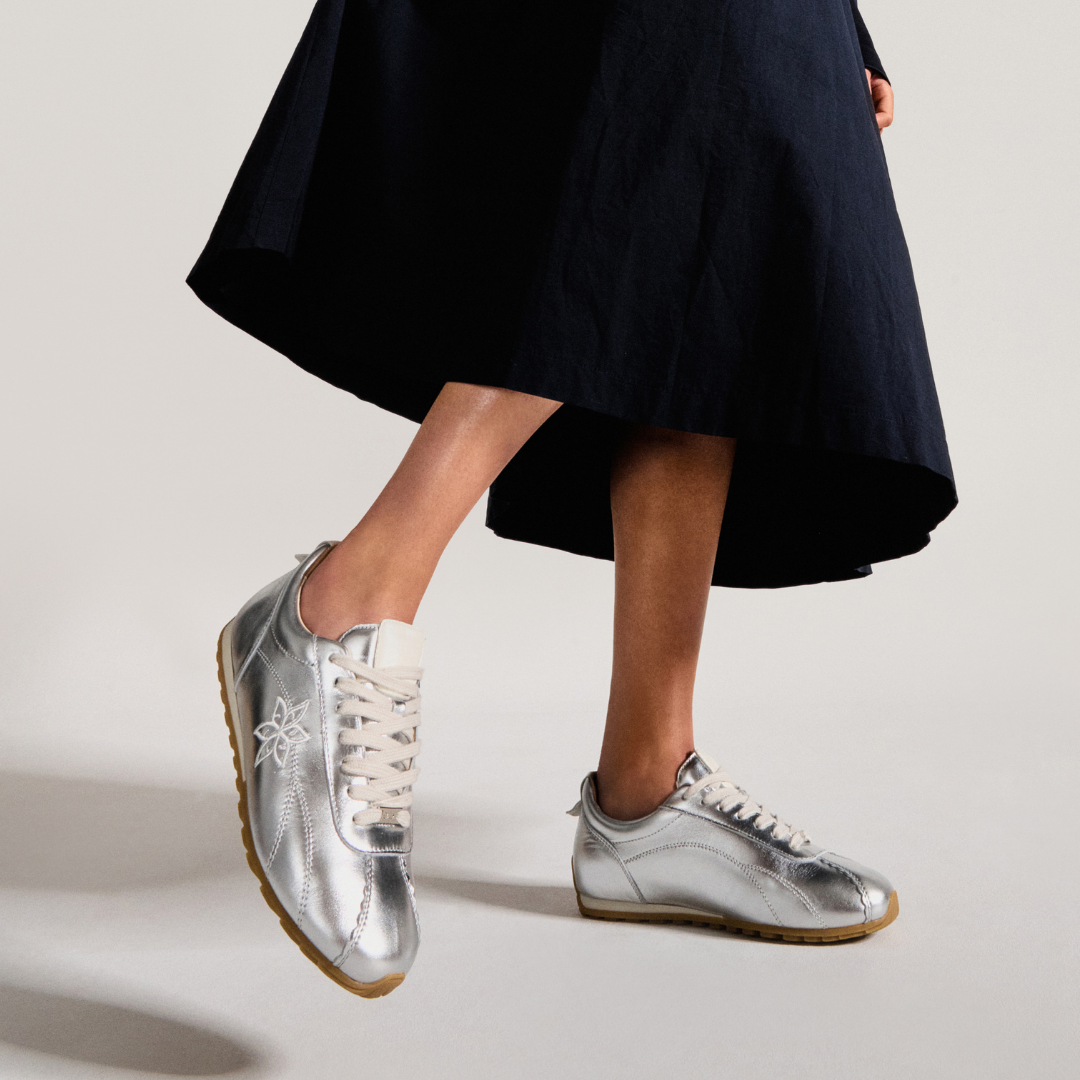
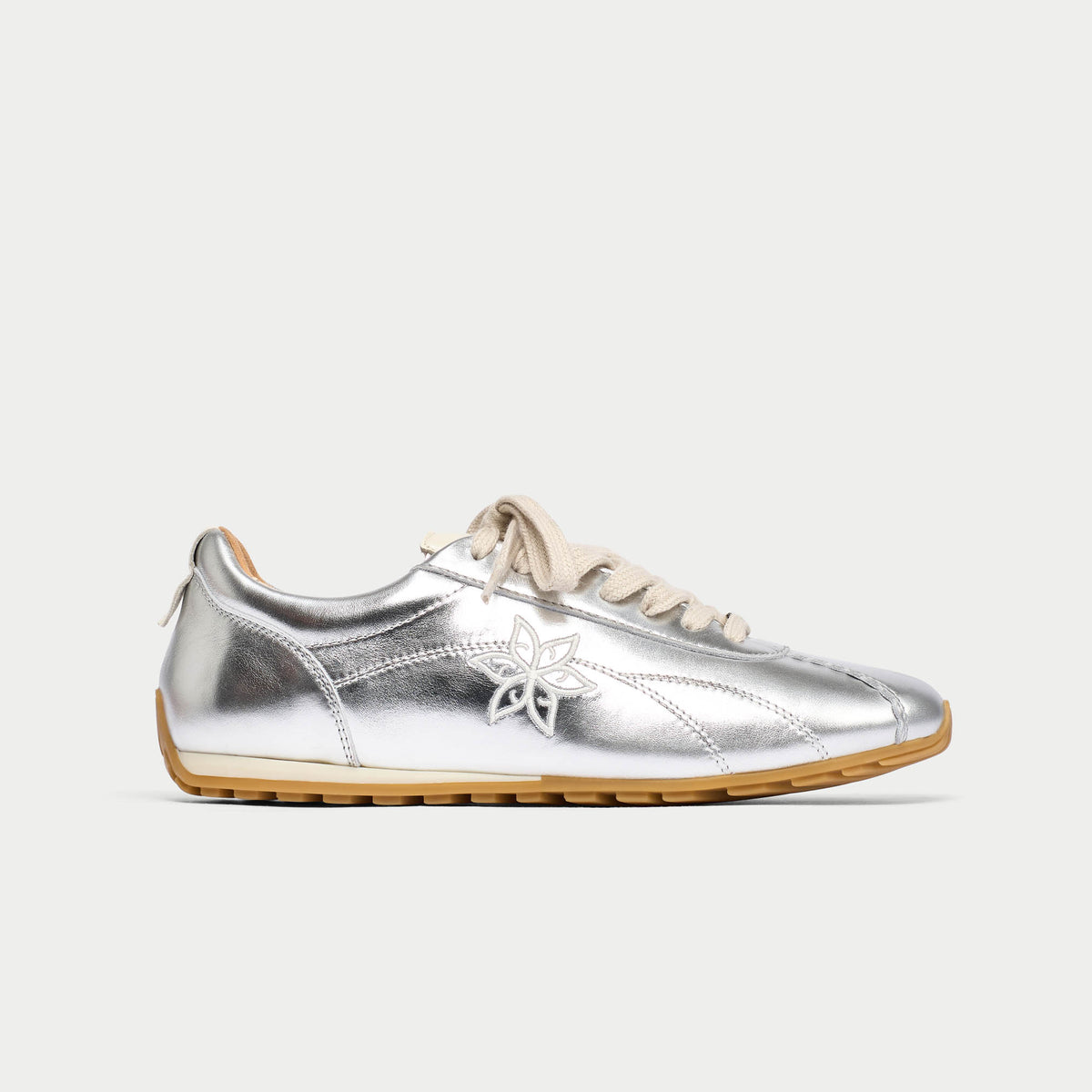
Aurora - Silver Leather Wide Fit Trainers
+4 more



Mr David Gordon, aka The Bunion Doctor, is a leading expert in bunions and keyhole bunion surgery. He has been performing minimally invasive bunion surgery since 2013, making him one of the most experienced surgeons in this technique in the world. He practises privately in central London and Hertfordshire. Find out more at www.thebuniondoctor.com
There isn’t one definitive, medically proven cause of bunions. In my experience, family history and genetics are particularly important. Bunions very commonly run in families, and I frequently see patients whose mother, father or grandmother also had them.
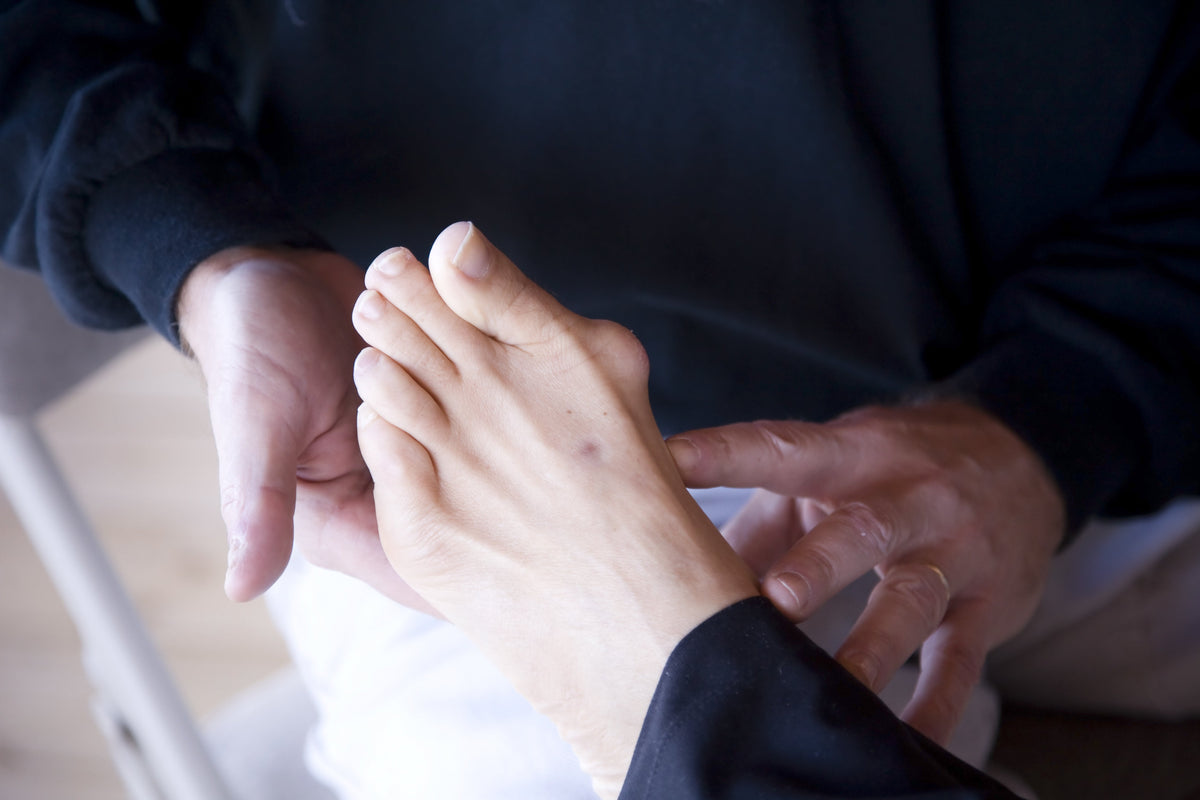
We know that a bunion develops when the long bone connecting to the big toe – the first metatarsal – moves inwards. This is related to instability in a joint in the midfoot, which itself may be inherited. As the bone moves, it creates the characteristic prominence or ‘bump’ on the inside of the foot.
The way your foot functions can also play a part. Flat feet and lax or flexible ligaments, for example, may contribute.
Bunions always progress over time, but the rate at which they get worse can vary.
For some people, the bunion may be something they live with for many years before it becomes particularly troublesome. For others, even a small deformity can make shoes very uncomfortable or begin to affect their normal activities.

One of the first non-surgical things I recommend is changing your footwear. Wider-fitting, supportive shoes can reduce pressure on the bunion and make everyday activities much more comfortable.
Bunion pads or silicone spacers are other options people can try. These don't remove, correct or halt the bunion’s progression, but they may make symptoms more manageable.
The important distinction is between managing a bunion and correcting it. Changing your footwear and using pads or spacers can help with comfort, but they don't address the underlying position of the bones. If symptoms eventually become significant despite these measures, that's when it may be appropriate to discuss surgical correction.
Footwear can make a considerable difference to how comfortable somebody with bunions feels. A bunion creates a wider, more prominent area on the side of the foot, so squeezing that into a narrow or pointed shoe will create significant pressure and therefore discomfort.
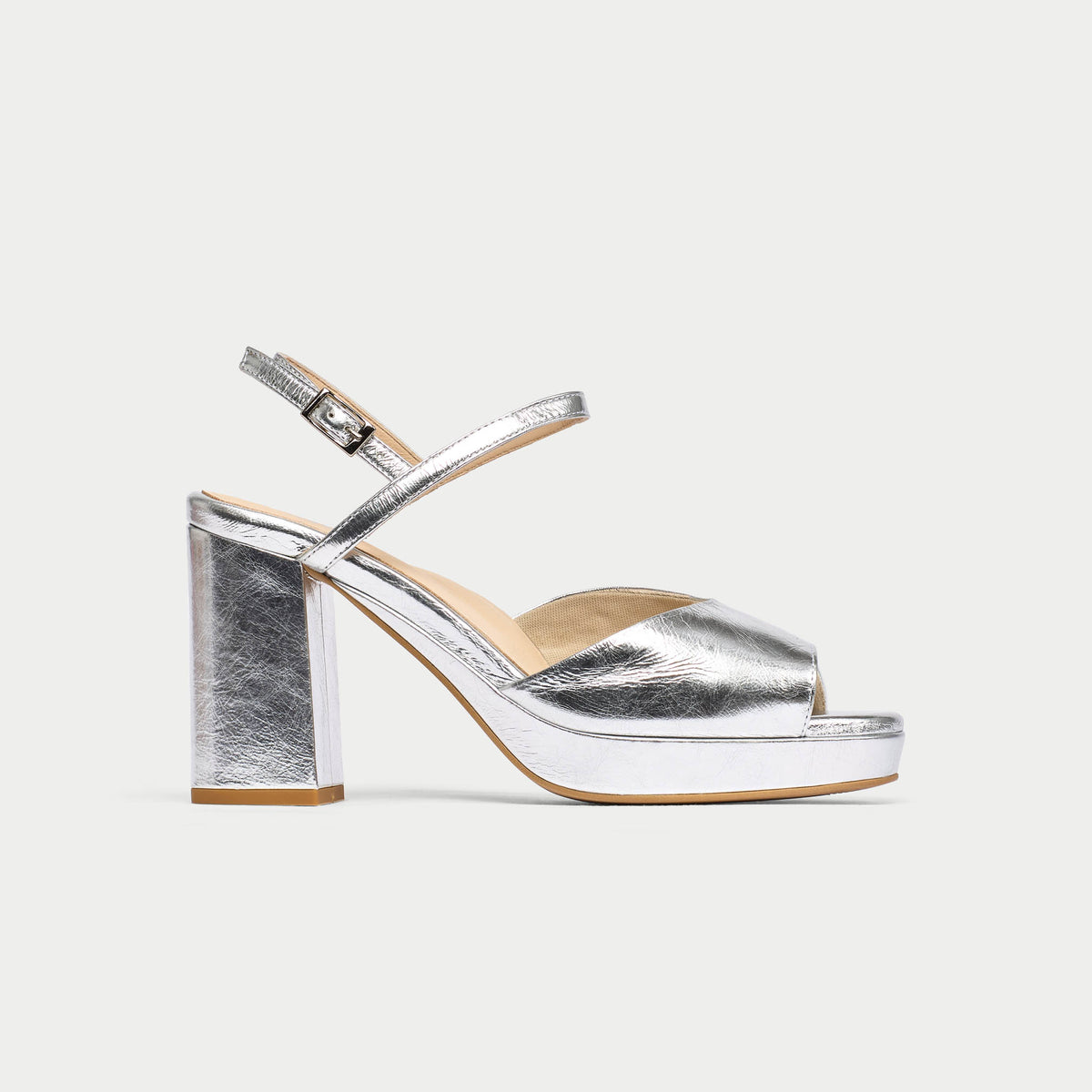
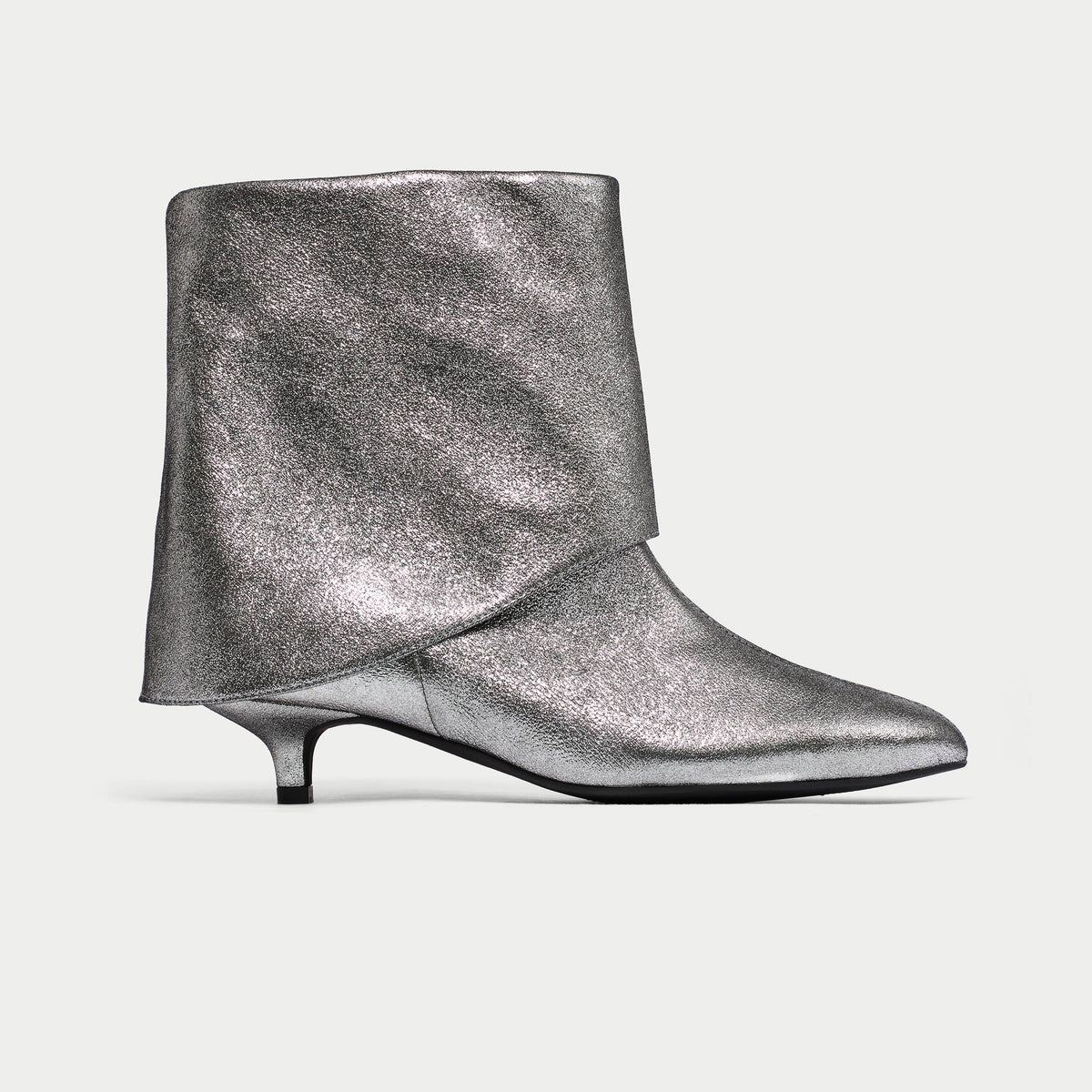
I generally recommend wider-fitting, supportive footwear rather than shoes that compress the toes. High, particularly pointed, heels will also aggravate an existing bunion.
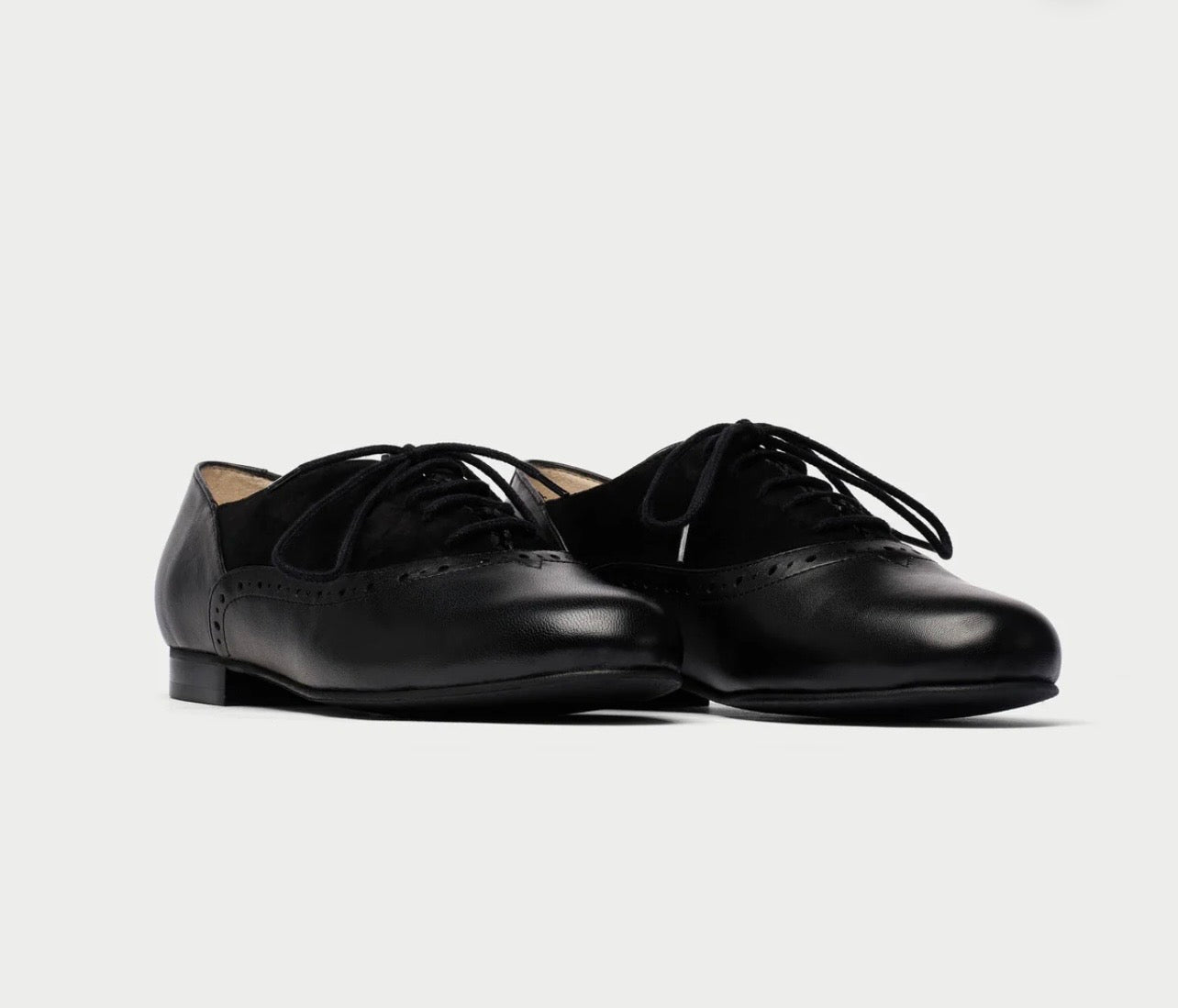
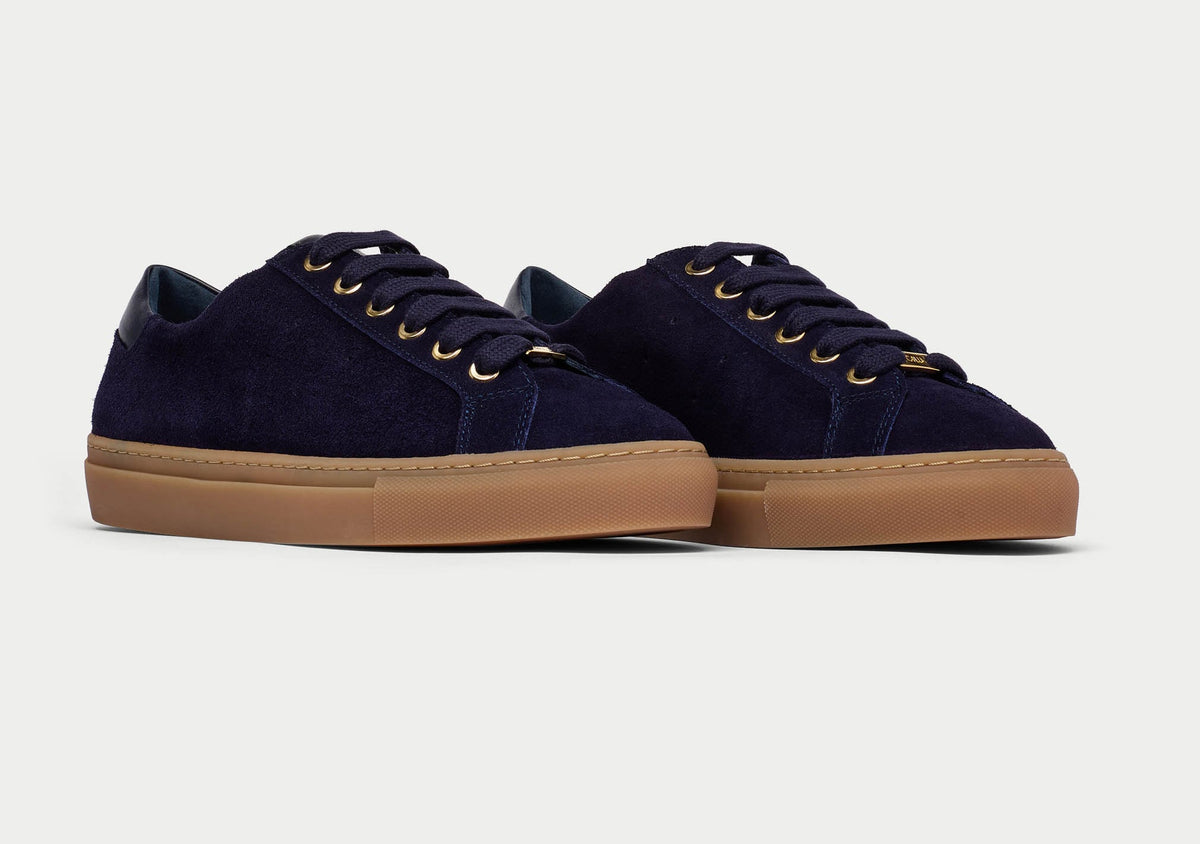
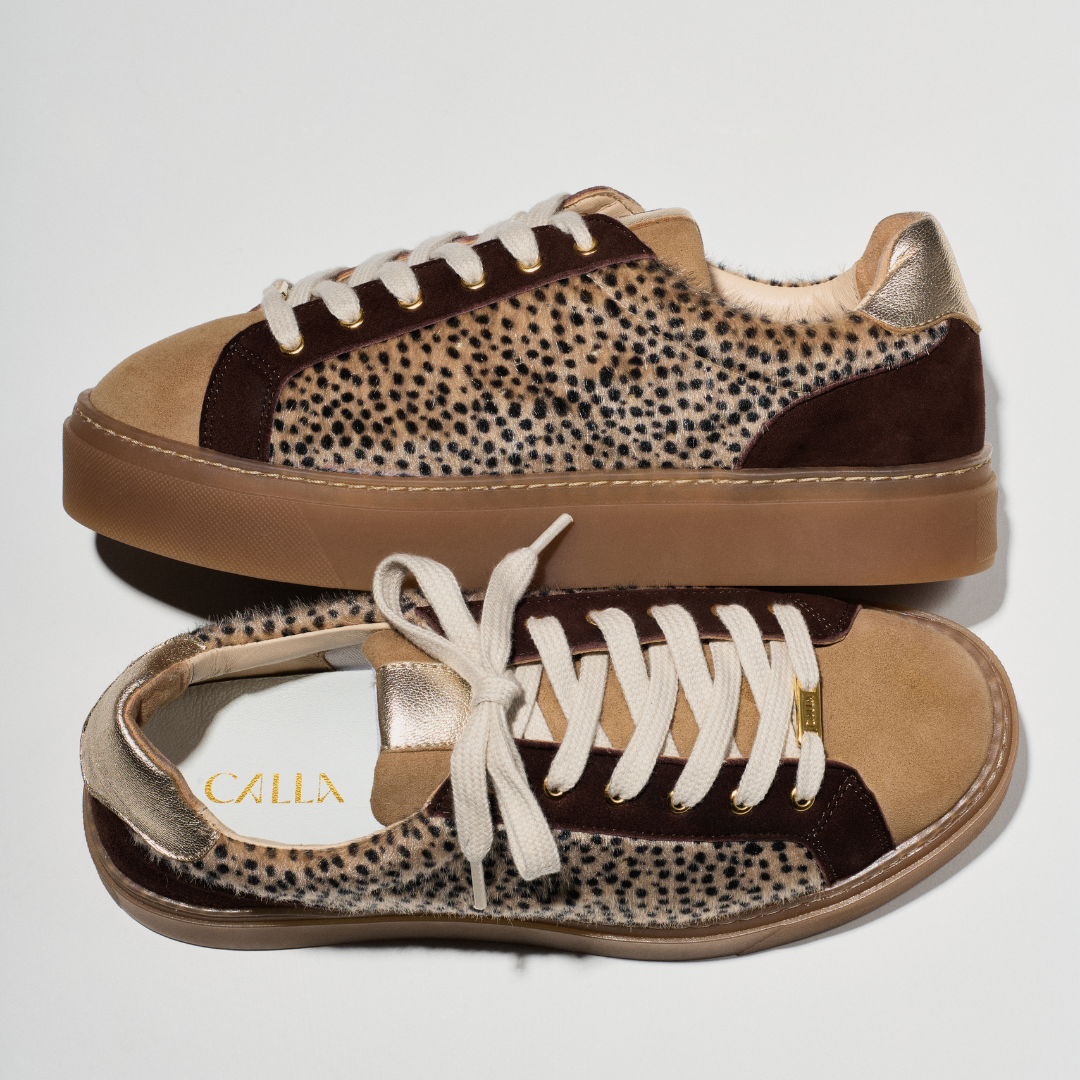
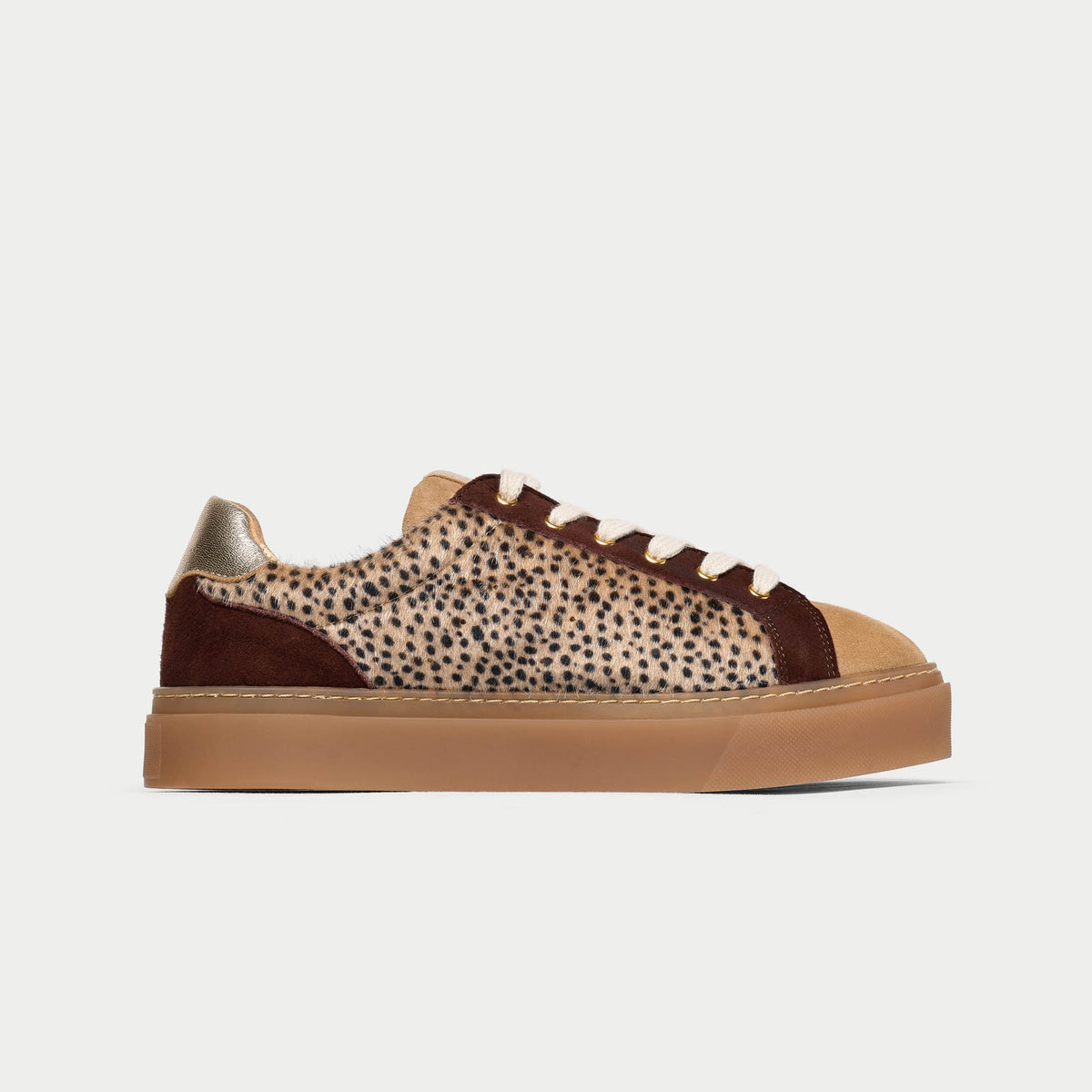
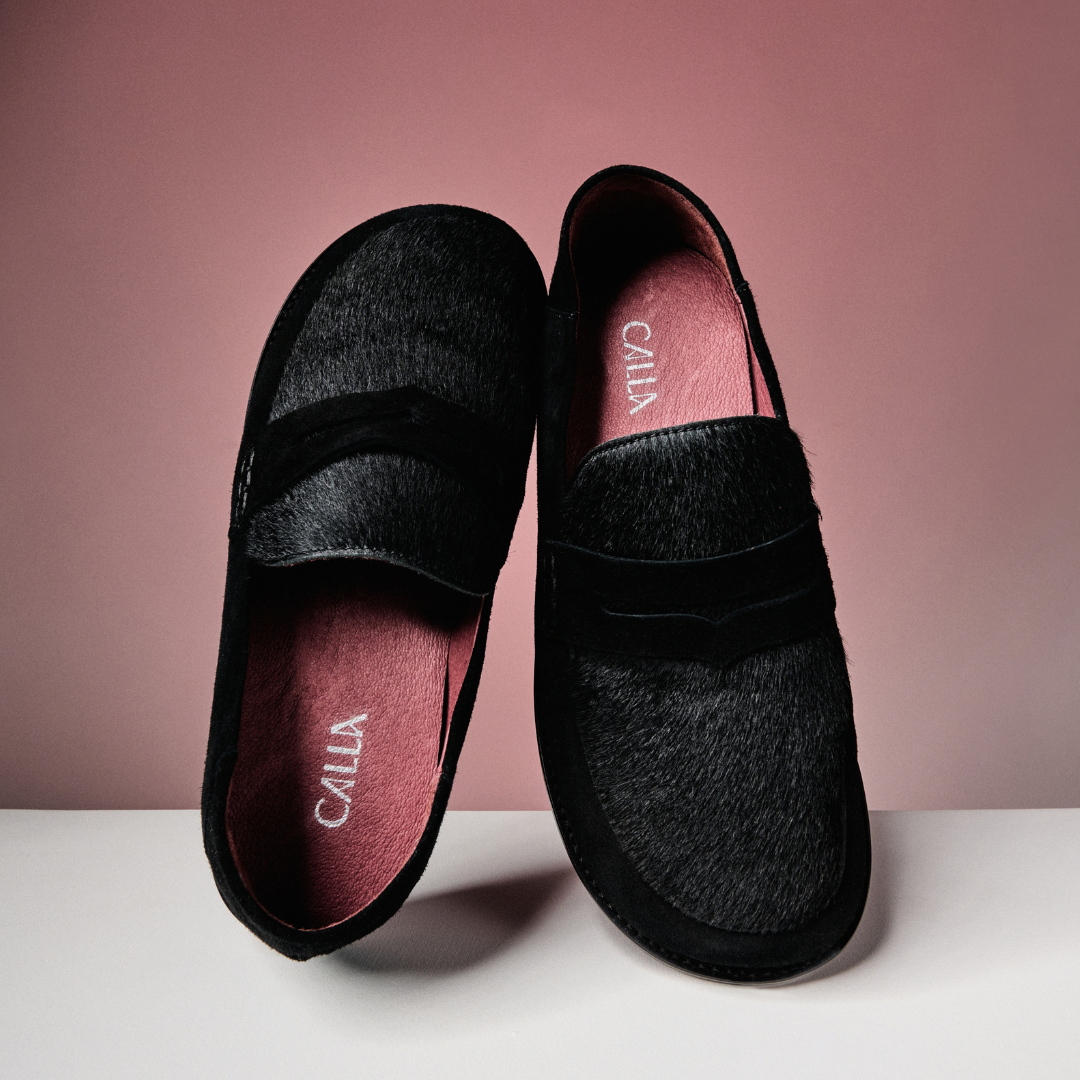
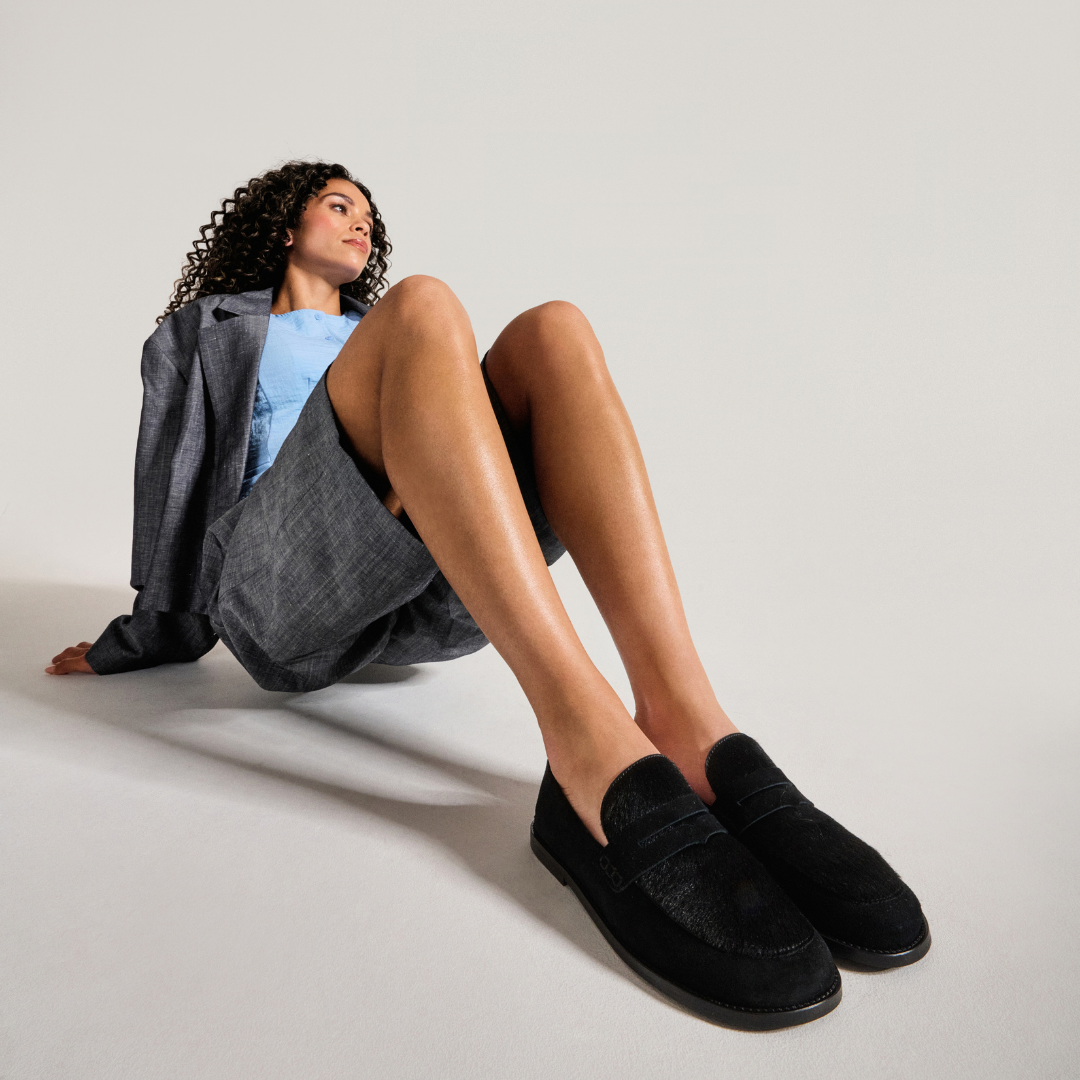
The challenge is finding extra room in the right place without having a shoe that's unnecessarily loose everywhere else. That's where footwear designed specifically with bunions in mind can be useful. Calla trainers, for example, are designed to provide additional space around the forefoot, while everyday styles such as the Nadia and Meredith loafers or Charlotte ballet flats provide options for people looking for more room and comfort around the bunion area without simply sizing up their entire shoe.

A bunion creates a prominence on the inside of the foot at the base of the big toe. In other words, the foot has changed shape in one particular area.
That can make conventional shoe shopping extremely frustrating. A shoe may feel perfectly comfortable around the heel and elsewhere in the foot but press directly against the bunion. On the flip side, going wider or larger at the forefoot may lead to the shoe feeling too loose elsewhere, especially at the heel.
I hear this problem repeatedly from patients – struggling to find shoes that accommodate their bunions comfortably while still being shoes they actually want (or need) to wear.
This is also why a shoe designed to provide additional room specifically through the bunion and forefoot area can make sense, rather than simply buying a larger shoe.
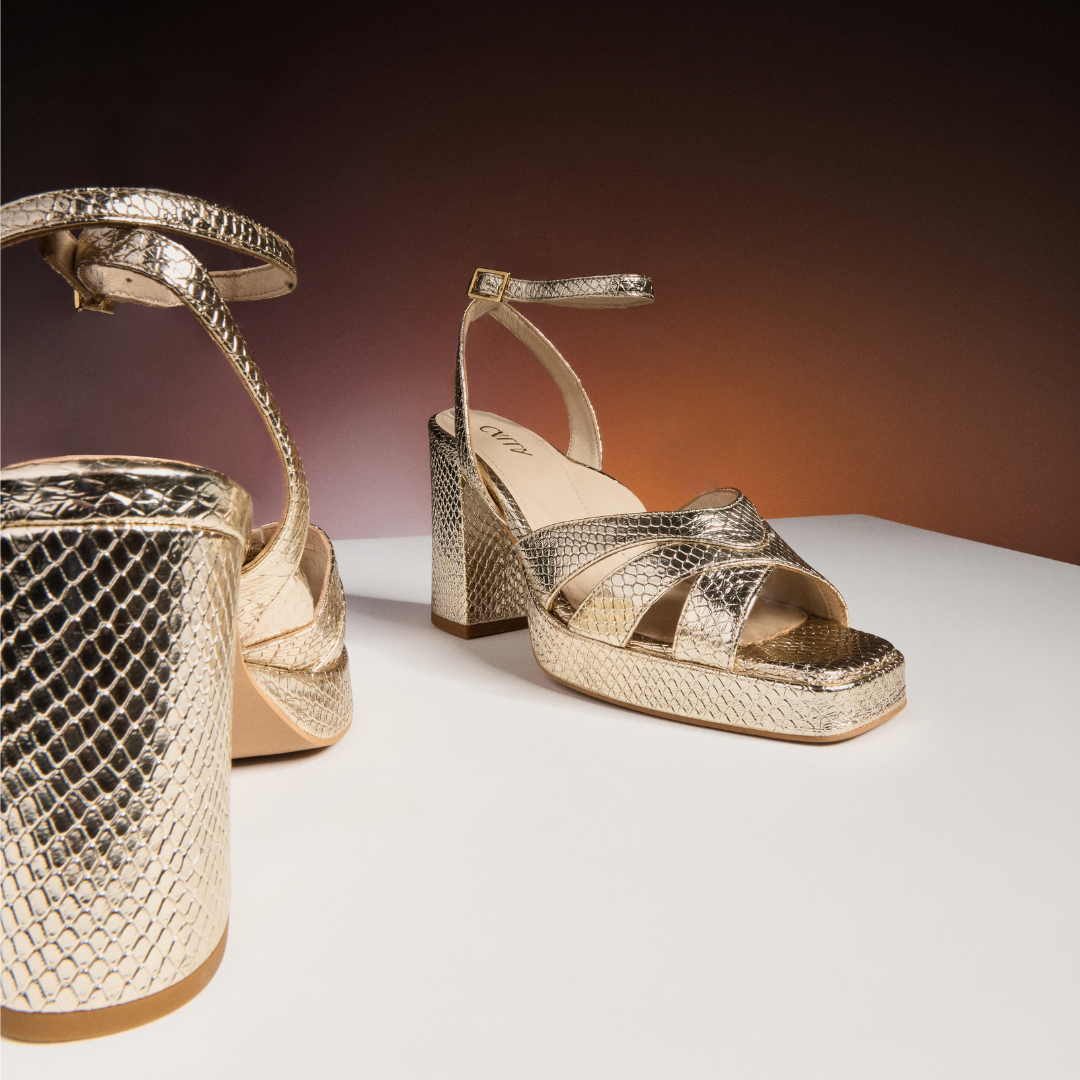
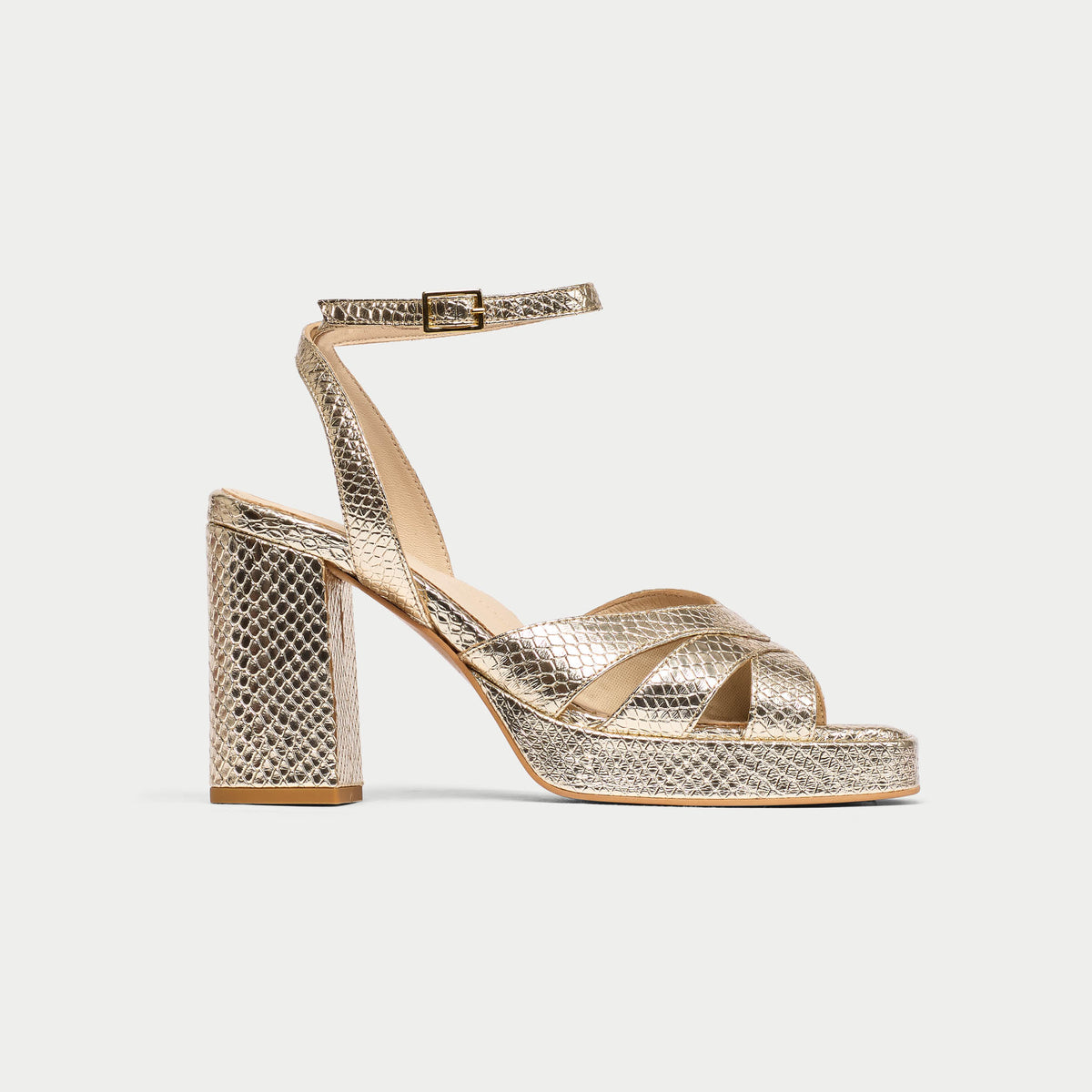
High heels have developed a particularly bad reputation when it comes to bunions. Whilst they aren’t the initial cause of the bunion, they can certainly make a pre-existing bunion worse – particularly narrow, pointed heels.
From a comfort perspective, the issue is whether the shoe is compressing and putting pressure on the bunion and toes. If you're already experiencing pain from your bunions, continuing to wear shoes that make that pain worse isn't going to help.
For everyday wear, I would favour comfortable, supportive footwear with sufficient room around the forefoot. That doesn't necessarily mean somebody with a bunion can never wear a particular style of shoe again, but comfort and adequate space around the bunion should be the priority.

One of the biggest misconceptions is that the bump you can see is growth of extra bone.
In fact, the prominence is actually normal bone in the wrong position. The long metatarsal bone connected to the big toe has moved inwards, creating the prominence that we recognise as a bunion.
That distinction matters because it explains why properly correcting a bunion isn't simply a case of shaving off the visible bump. We need to address the underlying position and alignment of the bone.
Another misconception is that wearing the ‘wrong’ shoes is what gave somebody their bunion in the first place. Genetics and inherited instability play a significant role. Poor footwear may worsen an existing bunion, but isn't where the problem began.
If changing to wider, more supportive footwear and trying simple measures such as bunion pads or silicone spacers keeps you comfortable, you may be able to manage your symptoms without surgery.
The point at which I would suggest seeking specialist advice is when the bunion is increasingly affecting your quality of life – perhaps you're experiencing persistent pain, struggling to find shoes, walking is becoming uncomfortable or you're having to give up activities you previously enjoyed.
It's also worth remembering that not every bump or pain around the big toe is necessarily a bunion. I see patients who believe they have a bunion when they actually have a different condition, such as big-toe arthritis and associated bone spurs. A specialist assessment can establish exactly what is causing the problem and what treatment options are appropriate.

Non-surgical management starts with practical measures. Wider-fitting, supportive shoes are one of my first recommendations, and bunion pads or silicone spacers can also be tried. These approaches aren't going to remove the bunion or halt its progression, but they may reduce the pressure and discomfort enough that surgery isn't currently necessary.
Finding appropriate footwear is therefore an important part of managing symptoms. For example, Calla trainers offer a more accommodating everyday option around the forefoot, while styles such as the Nadia and Meredith loafers and Charlotte ballet flats can provide an alternative when you want something other than a trainer but still need additional room around a bunion.
Ultimately, if conservative measures are no longer working and pain is interfering significantly with everyday life, that's when we can discuss whether surgery is appropriate.

Minimally invasive bunion surgery – sometimes called keyhole bunion surgery – allows us to correct the deformity through very small incisions rather than the larger incision associated with traditional ‘open’ surgery.
The aim isn't simply to remove the visible bump. We correct the position of the bones that are creating the bunion deformity.
Because the minimally invasive approach causes less disruption to the surrounding tissues, the recovery tends to be faster than with traditional open surgery and scarring is minimal. One of the biggest advantages of keyhole bunion surgery is that it is not a painful procedure and can be performed under sedation and so avoids a general anaesthetic.
Following the keyhole technique I use, patients are encouraged to walk and put as much weight through the foot as feels comfortable after surgery, no crutches are needed. They go home on the same day and wear a surgical sandal for around five to six weeks before progressing into a comfortable trainer.
Recovery still varies from person to person, however, depending on factors including bone health, the severity of the bunion and general health.
Taping and bandaging do have a place in bunion care, but it's important to understand what they're being used for.
I use specific bandaging techniques as part of the recovery programme following minimally invasive bunion surgery, when maintaining the corrected position during healing is important. I also include bunion kinesiology tape among products that patients may find useful around the time of surgery.
For somebody who hasn't had surgery, I wouldn't present taping as a way of permanently correcting the underlying bunion. A bunion occurs because of the position of the bones, so simply holding the toe with tape doesn't address that underlying structural problem.
If the objective is everyday comfort without surgery, I would generally start with practical measures such as wider, supportive footwear, bunion pads and silicone spacers.
They're not always hereditary, but family history is one of the most important factors.
Research I have discussed previously indicates that a very high proportion of people with bunions have a family history (63-90% across various studies) and this certainly reflects what I see in my own clinic. Patients very commonly tell me that their mum, dad or grandmother had bunions too.
What we don’t know is what are the chances of someone developing a bunion, if they have a bunion affected relative.
There is no single defined factor as a sole cause for bunions. There are a number of possible contributing factors however, such as instability within the midfoot, flat feet, metatarsal bone shape and lax ligaments. All may have a role. Inflammatory joint conditions such as rheumatoid and psoriatic arthritis can also be associated with bunions, although I see these as a much rarer cause.
Narrow shoes and high heels have not been proven to be the cause of the bunion but they can make a pre-existing bunion worse. They may even be the factor that tips the balance in a susceptible person to develop a bunion.
For more information about minimally invasive bunion surgery, please visit Mr Gordon’s website at www.thebuniondoctor.com.
And to find your new perfect shoes, please visit Calla Shoes' website at www.callashoes.co.uk
Shop now
Leave a comment
This site is protected by hCaptcha and the hCaptcha Privacy Policy and Terms of Service apply.